 Refinery Point Recovery
Service
Sober Living
Recovery doesn’t end when treatment does. Returning to the demands of daily life too quickly can feel overwhelming—and it is often where progress stalls. Sober living offers a quiet, structured space where you can continue your recovery while gradually rebuilding your independence.
This is not a treatment center, nor is it simply a place to stay. It is a purposeful residence designed to hold the line between structured care and full autonomy. You keep your job, attend school, and handle daily responsibilities—but you do so with the support of a stable, substance-free home and a community that understands what you are working toward.
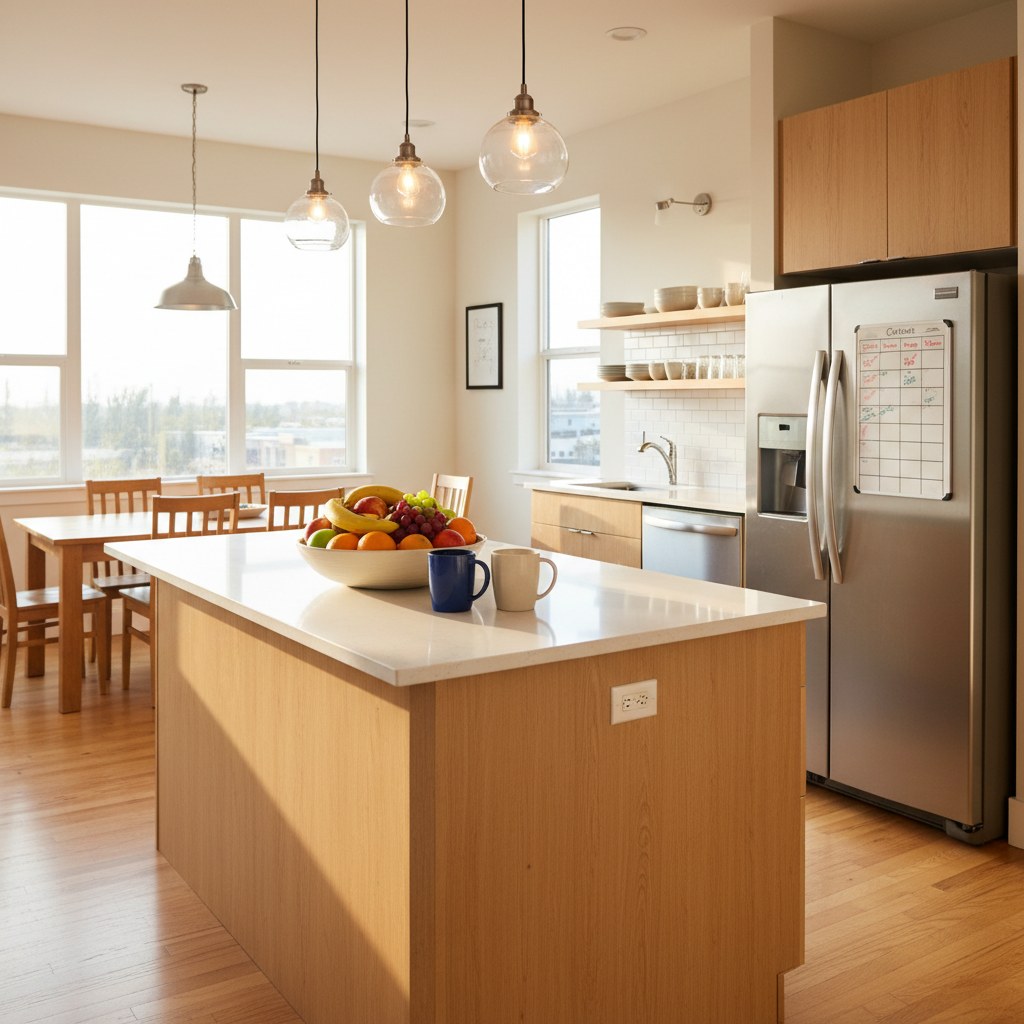
What Sober Living Involves
Sober living is a residential setting where every resident commits to a drug- and alcohol-free lifestyle. You will share a home with others who are also in recovery, each person accountable to a set of clear, fair expectations—random drug screenings, nightly curfews, mandatory house meetings, and participation in household chores. These are not arbitrary rules; they are the scaffolding that helps you rebuild trust in yourself and in others.
Beyond the structure, the real work happens in daily life. You practice honesty when you check in. You practice responsibility when you show up for work or school. You practice community when you sit down for a house dinner or share what is difficult at a meeting. Over time, these small, consistent acts reshape how you live—and how you see yourself.

Confidential, no pressure.
The Benefits of Sober Living
Structured, Supportive Environment
You’ll follow a daily schedule that includes house meetings, curfews, and shared responsibilities, which builds stability and accountability.
Gradual Independence
Sober living bridges the gap between intensive treatment and full independence, letting you practice real-world skills with a safety net.
Peer Connection and Accountability
Living alongside others who share your goals creates a natural support system and reduces the isolation that often leads to relapse.
Focus on Rebuilding Life
With the structure and support in place, you can concentrate on work, school, repairing relationships, and developing new, healthy routines.
Access to Continued Care
You remain connected to outpatient therapy, medical check-ins, and recovery groups—so your progress stays on track without losing momentum.
How Our Sober Living Program Works
- 1. Initial conversation You call or fill out a brief form. We have a calm, no-pressure conversation to understand where you are in your recovery and what you need from a sober living home.
- 2. Orientation and move-in We will discuss house rules, expectations, and daily structure. If it feels like the right fit, you complete a simple intake and move in—often the same day.
- 3. Structured daily life You begin living with a clear schedule: house meetings, chores, curfew, and random screenings. You continue working, studying, or seeking employment as part of your routine.
- 4. Ongoing support check-ins You meet regularly with a recovery coach or counselor to track progress, address challenges, and adjust your plan as you grow more independent.
- 5. Graduated transition out When you and your support team agree you are ready, we help you plan a staggered transition to independent living—without cutting the cord too abruptly.
Who Sober Living Is For
Sober living is for anyone who has completed a detox or inpatient program and needs a supportive environment to continue their recovery while re-entering work, school, or family life. It is also for those who have tried to stay sober on their own and found that the structure of a recovery-oriented home makes the difference between stability and relapse.
You might need sober living if you feel unsteady returning home to old environments or triggers, if you want to stay connected to recovery resources without living in a treatment center, or if you simply want a few months of peace and accountability to solidify the changes you have started to make.
Common Questions
How long do people typically stay in sober living?
Most residents stay between three and six months, though the exact length depends on your progress and personal goals. We work with you to build a timeline that supports a stable, confident transition to fully independent living.
What kind of rules or structure can I expect?
Every home has a house manager, regular drug and alcohol screenings, a nightly curfew, and mandatory house meetings. These boundaries are firm but compassionate—designed to protect your recovery, not to punish.
Can I join sober living directly from home, without doing inpatient first?
Yes. Sober living is ideal for anyone leaving inpatient treatment who needs a structured step-down, or for someone who has relapsed and wants a stable, supportive environment to restart their recovery without interrupting daily life.
Can I keep my job or go to school while living there?
Generally, yes. You are expected to work, attend school, volunteer, or actively seek employment. Being productive is part of the structure—it helps rebuild purpose, routine, and self-worth.